
This usually happens halfway through the trip. The wind picks up. Rain comes in sideways. Someone’s jacket isn’t doing what they hoped. Suddenly, everyone is standing in an outdoor shop wondering if they really need a €400 jacket to survive Iceland.
You don’t.
This guide is about wearing the right things, not the most expensive ones, and avoiding panic purchases you’ll regret once the weather changes again, which it usually does (often!!).
The biggest mistake: confusing brands with protection
Iceland’s weather doesn’t care about logos.
What keeps you warm and dry is layering, not brand names. Expensive outdoor gear can be great, but it’s not required for most trips, and buying it last minute is usually the most expensive way to do it.
If you understand how layering works, you can often rely on what you already own. And if something is missing, it’s usually one practical layer, not a full wardrobe replacement.
Layering beats expensive jackets every time
Instead of one heavy jacket, think in three layers, each with a clear job.
The base layer keeps moisture off your skin. Thermal underwear, merino wool, or synthetic sports layers all work well.
The mid layer provides warmth. Fleece, light wool sweaters, or insulated tops do the job.
The outer layer blocks wind and rain. This is the most important layer in Iceland. It needs to be windproof and waterproof, not stylish.
This system works year-round. You adjust layers as conditions change instead of buying new clothes every time the weather shifts.
Footwear matters more than jackets
This comes up constantly while travelling in Iceland: people upgrade their jacket, but still end the day cold and miserable because their shoes are wet.
Icelandic conditions are hard on footwear: wet grass around viewpoints, gravel parking lots, spray near waterfalls, and frequent rain.
Regular sneakers soak through quickly. Once your feet are wet, the day usually goes downhill fast.
What actually works is simple: waterproof hiking boots or sturdy waterproof walking shoes with decent grip. Ankle height matters less than waterproofing and traction. If footwear fails, everything else feels worse, no matter how good your jacket is.
What you actually need, by season
The biggest clothing mistakes happen when people pack for the calendar instead of the weather conditions.
Summer (June–August)
Summer in Iceland is mild, not warm. You’ll want a waterproof, windproof jacket, a light insulated layer like a fleece, waterproof or water-resistant shoes, and something to block wind like a hat or buff. Thin gloves can be useful on windy days. Shorts and T-shirts are fine on calm days, but they’re rarely enough on their own (unless you are a local!).
Shoulder seasons (April–May, September–October)
This is where many people underestimate conditions. Add warmer mid-layers, waterproof pants, and a thicker insulated layer.
Winter (November–March)
Winter requires proper winter gear: insulated outerwear, thermal base layers, warm boots with grip, and full cold-weather accessories. If you’re driving in winter, clothing choices affect more than comfort. Wind exposure and cold stops tie directly into safety and decision-making, which we cover in What you need to know when driving in Iceland.
Wind and rain: the real reason people overspend
Cold isn’t the main problem in Iceland. Wind is.
Wind cuts straight through poor jackets, makes light rain feel freezing, and turns outfits that looked fine on paper into misery. Most panic purchases happen because people dress for temperature instead of conditions.
A simple rain shell that blocks wind often works better than a thick but breathable jacket that lets wind through.
Beaches and open areas need extra protection
South coast beaches and exposed headlands are a different story. Places like Reynisfjara or Dyrhólaey can be far windier than inland stops. Sand and rain blow sideways, hoods get ripped back, and loose layers fail fast.
This is often where people realise their clothing system has weak points. A jacket with a proper hood, layers tucked in at the waist, and a buff or scarf to block wind make a noticeable difference. It’s one of the most common “I wish I’d known” moments.
Buying gear in Iceland: when it makes sense
If you genuinely forgot something or need an upgrade, buying gear in Iceland is possible, just not always cheap.
In Reykjavík, especially around the Skeifan area, you’ll find outlet stores with better prices than regular retail:
- Icewear outlet – functional, weather-ready clothing at reduced prices
https://icewear.is - 66°North outlet – durable outdoor gear with discounts
https://www.66north.com
One important clarification: most wool products in these outlets are imported. They’re practical, but not traditional Icelandic knitwear.
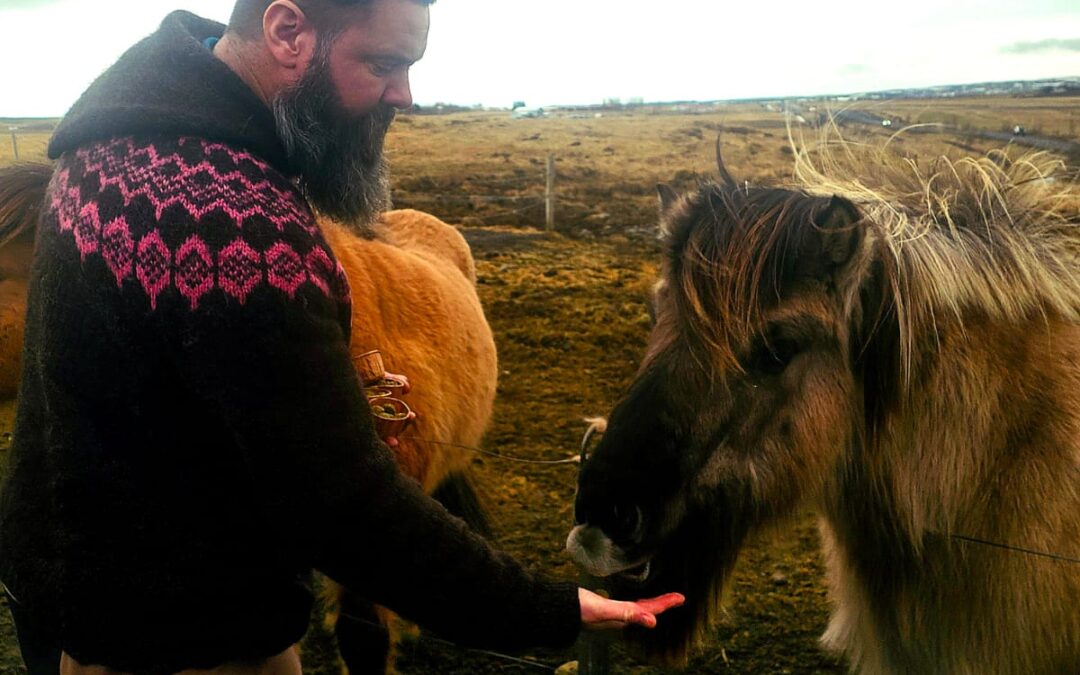
If you’re specifically looking for Icelandic hand-knitted wool made by local artists, you’ll usually find that through smaller makers. You can also find curated wool products at: https://oskartheguide.is/shop all hand-knitted by local Icelandic knitters.
Opening hours: don’t wait until evening
Another common surprise is store opening hours.
Outdoor and clothing stores in Reykjavík usually open around 11:00 and close in the early evening. Outside the capital, many stores open around 10:00 and may close as early as 17:00–18:00. Sundays often have shorter hours.
If you realise you need gear, don’t wait until late in the day.
Gas stations and gift shops: useful, but limited
Gas stations can help in a pinch. They sometimes sell gloves, hats, cheap rain ponchos, and in winter, basic crampons. They’re convenient, but selection is limited and prices are higher than proper stores.
Gift shops at major tourist sites often sell warm-looking jackets or sweaters. These are usually souvenirs, not real weather gear. They’re rarely windproof or waterproof and are often overpriced. Fine for memories, not for staying dry.
Renting gear vs buying it
Buying one or two missing layers is usually cheaper than renting, but there are real exceptions depending on what you’re missing and what you plan to do.
Rental makes the most sense for specialised items like crampons, glacier gear, or heavy winter outerwear that you’ll only need for specific activities or a short time.
If you’re missing most of the essentials, especially for one-off excursions like a glacier hike, renting can actually be smarter than buying everything. Buying boots, waterproof layers, and insulated clothing just for one day often costs far more than renting the right gear for that excursion.
Another advantage is that many tour companies include gear rental for their activities. For example, most glacier hikes and ice-walking tours provide essential equipment such as crampons, helmets, and harnesses as part of the package, so you don’t need to bring or rent them separately, just check what’s included before you book.
For more general purposes, there are reliable outdoor gear rental options in Iceland. For example:
- IcelandCover Outdoor Clothing Rental (https://icelandcover.com/) offers parkas, waterproof jackets, boots, gloves, and other outdoor clothing available for rent, with pickup in downtown Reykjavík and high guest ratings.
- Iceland Camping Equipment Rental (https://www.iceland-camping-equipment.com/) rents a wide range of outdoor gear, including crampons and hiking equipment, with flexible pickup and drop-off options.
In short:
- Buy for everyday travel and comfort.
- Rent for specialised excursions or when you’d otherwise end up buying gear you won’t use again.
Going even cheaper: second-hand stores and markets
If budget is tight, Iceland has solid low-cost options. Second-hand stores and chains like Sports Direct are open during normal retail hours. The Kolaportið flea market in Reykjavík is another good option and is open on Saturdays and Sundays. You can often find jackets, sweaters, hats, and gloves that aren’t pretty, but do the job.
Clothing mistakes that cost more later
Poor clothing choices don’t just make you uncomfortable, they quietly change how your whole day unfolds.
If you’re cold, wet, or constantly fighting the wind, you’ll spend less time outside. You’ll head into cafés just to warm up, cut hikes short, or decide to skip stops altogether. That’s when small, unplanned costs start piling up.
Being underdressed also affects how far you’re willing to drive and how you plan your route. Strong wind or rain feels much worse when your clothing isn’t doing its job, which can lead to slower driving, extra detours, or calling it a day earlier than planned.
This is why clothing choices naturally influence food spending, fuel use, and transport decisions. We break those knock-on effects down in our guides on eating on a budget in Iceland, fuel prices in Iceland, and how to save money on car rental and transportation in Iceland.
Dressing properly helps you stick to both your itinerary and your budget.
Final note: Weather in Iceland changes quickly, and clothing needs vary widely depending on season, activity level, and personal comfort. What works well for one person may not be enough for someone else. The guidance here is based on common travel conditions and practical experience, not a one-size-fits-all rulebook. Always do your own research, check current forecasts, and adjust your clothing choices to your plans and how you handle cold, wind, and rain.