
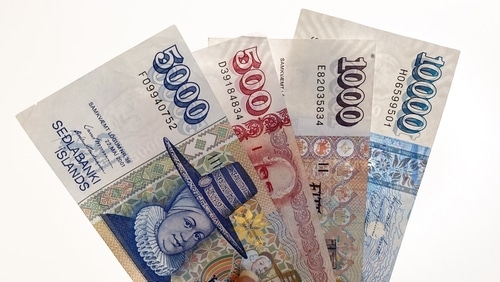
How to save money without ruining your trip
Let’s get this out of the way first: yes, Iceland is expensive.
No, you’re not imagining it.
And no, it’s not because someone decided tourists should suffer.
But here’s the part many people miss: Iceland is expensive in very specific, predictable ways. Once you understand where the money goes, it becomes much easier to control your budget, without eating instant noodles in a parking lot (unless you want to).
This guide is your starting point. Think of it as the map before the road trip.
Why Iceland feels expensive (and why that won’t change)
Iceland is an island, with a small population, high wages, and a lot of imports. That combination affects prices across the board, especially for food, accommodation, alcohol, and transport.
The upside?
You’re paying for fair wages, clean infrastructure, and well-maintained public spaces.
The downside? You feel it immediately when you swipe your card.
This is context, not a complaint. Understanding it helps you plan smarter.
Where most travelers lose control of their budget
Budget stress in Iceland rarely comes from one big mistake. It usually comes from a series of small, automatic choices.
Things like:
- Eating out every time hunger strikes
- Picking a bigger or more “capable” car than the trip actually needs
- Buying drinks at bars without knowing the alternatives
- Booking accommodation and cars late in high season
- Underestimating the weather and replacing gear after arrival
None of these ruin a trip on their own. Together, they add up fast.
Accommodation, where rules matter as much as prices
Accommodation is often the single biggest expense in Iceland, and also one of the most misunderstood.
Camping is regulated, sleeping in your car is usually not allowed, and cheaper options like guesthouses or hostels are often overlooked. Airbnb is not always the budget option people expect, especially in high season.
➡️ Before you book anything, read Where to sleep in Iceland on a budget: guesthouses, hostels, camping, and the rules
Transportation, where planning saves real money
Transportation is one of the biggest budget variables, and also one of the easiest to manage.
Many travelers overspend by default:
- Renting a 4×4 when it is not required
- Choosing a larger car for comfort rather than need
- Booking late during peak season
In reality:
Most main roads, including the Ring Road, are paved and well maintained
A small car is enough for many itineraries, especially in summer
Fuel prices vary a lot between stations
➡️ This is where planning can save hundreds. Start with How to save money on car rental and transportation in Iceland. Already booked your ideal car? Check out Fuel prices in Iceland: where to fill up and how to pay less
Food, where strategy matters more than sacrifice
Restaurants in Iceland are expensive. That part is not negotiable, especially outside Reykjavík.
What is negotiable is how often you use them.
Most travelers who stay on budget do something very simple:
- Groceries for breakfast and lunch
- Restaurants occasionally, not automatically
- Supermarkets like Bónus, Krónan, and Netto make this easy and predictable.
➡️ If food costs worry you, start with Eating on a budget in Iceland, groceries, gas stations, and smart choices.
Alcohol, same country, very clear rules
Alcohol pricing in Iceland is straightforward once you know the system.
You cannot buy alcohol in grocery stores.
The only legal retailer is Vínbúðin, the state-run alcohol store.
Prices there are high, but bars and hotels are significantly higher. Also important, Vínbúðin is closed on Sundays and public holidays, which matters more than people expect.
➡️ If alcohol is part of your trip, read Alcohol in Iceland, where to buy it and how to avoid overpaying.
Nature is free, access is not always
Iceland’s landscapes are not ticketed attractions. Waterfalls, glaciers, and viewpoints are usually free to visit.
What surprises people are:
- Parking fees at popular sites
- Paid toilets and facilities
- App-based or license-plate parking systems
These fees exist to maintain places that see millions of visitors every year.
➡️ To avoid confusion and unnecessary fines, see Parking fees and hidden costs in Iceland, what tourists don’t expect.
Clothing, mistakes here get expensive quickly
Iceland’s weather is less about extreme cold and more about wind and rain.
Most regret-based purchases happen because travelers:
- Underestimate wind and rain
- Pack for style instead of layers
- Assume they can easily buy what they need on arrival
Buying gear in Iceland works, but it is rarely the cheapest option unless you know where to look.
➡️ We cover realistic packing and budget options in What to wear in Iceland without overspending on clothes and gear.
Cash, cards, and tipping
Good news:
Cards work everywhere
Cash is rarely needed
Tipping is not expected
Service wages are already included in prices, which explains part of the upfront cost.
➡️ For details on payments, SIM cards, and mobile data, see Money, cards, tipping, and internet in Iceland, what travelers need to know.
So, is Iceland worth it on a budget?
Yes, if you travel with awareness instead of assumptions.
Travelers who struggle with costs usually:
- Do not plan food
- Rent the wrong type of car
- Book too late
- Learn local rules after they arrive
Travelers who enjoy Iceland without financial stress:
- Prepare ahead
- Mix groceries with restaurants
- Spend on experiences, not convenience
- Accept that planning is part of the trip
What to focus on next
This guide is meant as an overview, not a checklist you have to follow perfectly. Some people care most about food costs, others about car rental, accommodation, or avoiding small but annoying extra fees.
That’s why this article links to a series of focused guides, each covering one specific topic in more detail:
- how to eat well without overspending
- how alcohol pricing and rules actually work
- how to choose the right car and avoid transport mistakes
- how to save on fuel and plan long drives
- where to sleep legally and affordably
- how parking fees and small site costs work
- what to pack so you don’t overbuy clothes
- how payments, cards, and mobile data work in Iceland
You can read them in any order, depending on how you’re traveling and what matters most for your trip.
Note: Travel rules, prices, and conditions can change, and situations vary depending on season, location, and individual circumstances. The information shared here is based on general experience and practical guidance, but you are always responsible for checking current rules, prices, and conditions and making decisions that suit your own trip